FordParts
My Garage
My Account
Cart
OEM Mercury Parking Brake Cable
Emergency Parking Brake Release Cable- Select Vehicle by Model
- Select Vehicle by VIN
Select Vehicle by Model
orMake
Model
Year
Select Vehicle by VIN
For the most accurate results, select vehicle by your VIN (Vehicle Identification Number).
86 Parking Brake Cables found
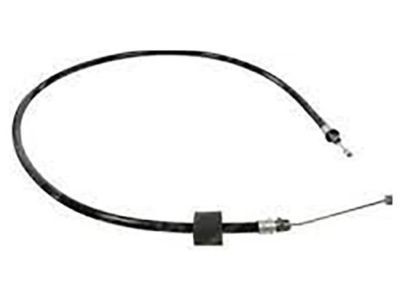
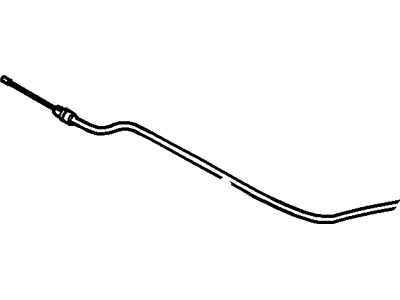
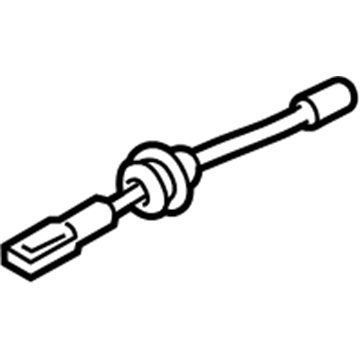
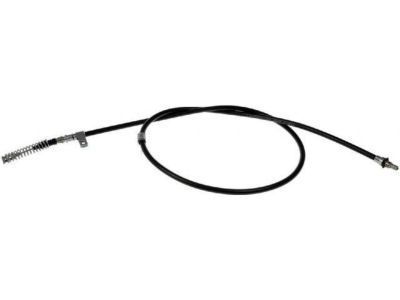
Mercury Front Cable Part Number: 3W1Z-2853-AA
$48.15 MSRP: $76.45You Save: $28.30 (38%)Ships in 1 Business DayProduct Specifications- Other Name: Cable Assembly - Parking Brake; Parking Brake Cable, Front; Brake Cable
- Position: Front
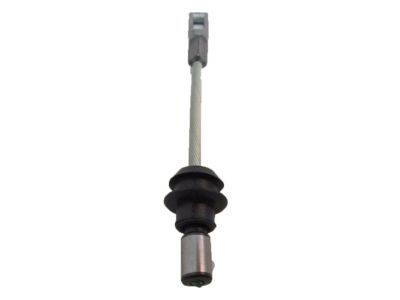
Mercury Parking Brake Cable, Rear Outer Part Number: 9W1Z-2A815-A
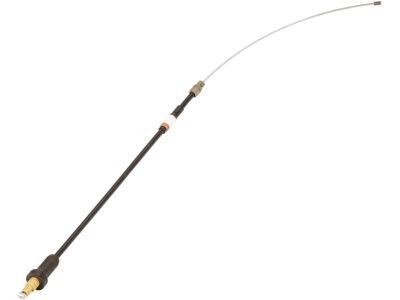
$21.01 MSRP: $33.37You Save: $12.36 (38%)Ships in 1-2 Business DaysProduct Specifications- Other Name: Cable Assembly - Parking Brake; Parking Brake Cable, Rear Outer; Rear Cable; Parking Brake Shoes Cable; Brake Cable
- Manufacturer Note: RH/LH
- Position: Rear Outer
- Replaces: 3W1Z-2A815-AA
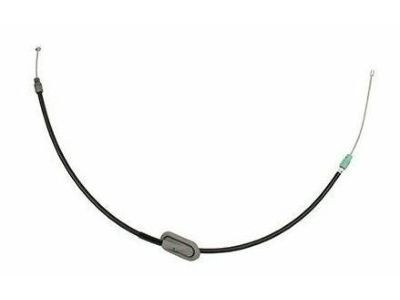
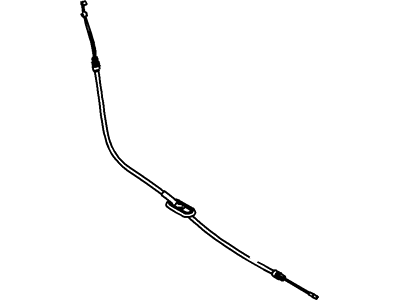
Mercury Front Cable Part Number: 4L5Z-2853-AA
$41.30 MSRP: $65.58You Save: $24.28 (38%)Ships in 1-2 Business DaysProduct Specifications- Other Name: Cable Assembly - Parking Brake; Parking Brake Cable, Front; Brake Cable
- Position: Front
- Replaces: 3L5Z-2853-AA
Mercury Front Cable Part Number: FB5Z-2853-A
$40.76 MSRP: $64.73You Save: $23.97 (38%)Ships in 1-2 Business DaysProduct Specifications- Other Name: Cable Assembly - Parking Brake; Brake Cable
- Position: Front
- Replaces: 8G1Z-2853-A, 9G1Z-2853-A, 9G1Z-2853-B
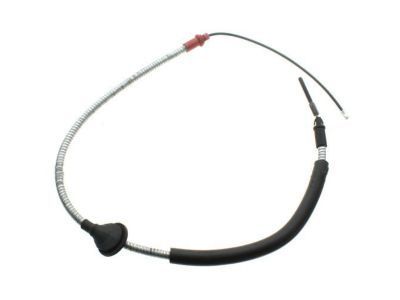
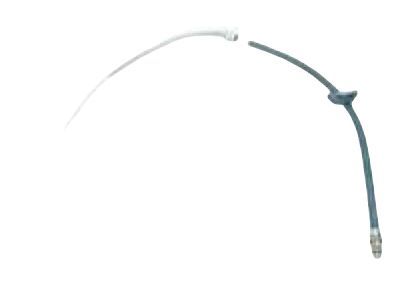
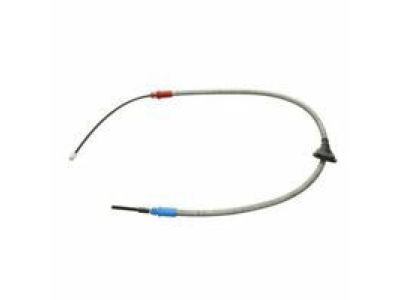
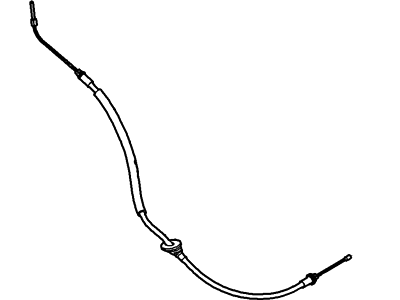
Mercury Front Cable Part Number: 5L8Z-2853-AA
$32.23 MSRP: $44.59You Save: $12.36 (28%)Ships in 1-2 Business DaysProduct Specifications- Other Name: Cable Assembly - Parking Brake; Brake Cable
- Position: Front
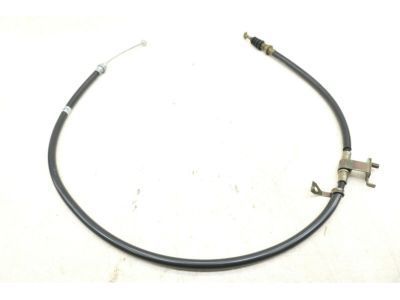
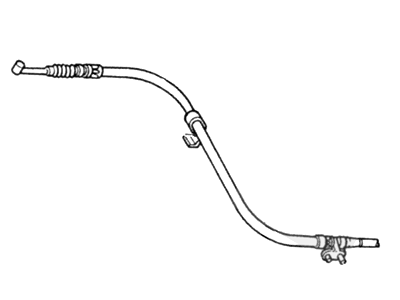
Mercury Rear Cable, Passenger Side Part Number: F7CZ-2A635-AC
$50.62 MSRP: $68.88You Save: $18.26 (27%)Product Specifications- Other Name: Cable Assembly - Parking Brake; Parking Brake Cable; Brake Cable
- Manufacturer Note: RH , rear disc, FROM 12/10/96
- Position: Rear Passenger Side
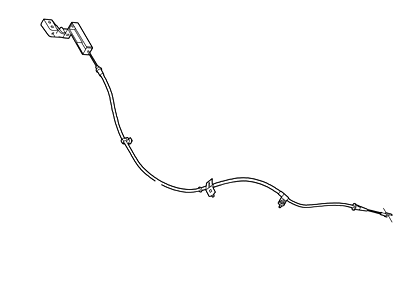
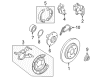
Mercury Rear Cable, Passenger Side Part Number: 6L8Z-2A635-J
$41.22 MSRP: $65.45You Save: $24.23 (38%)Ships in 1-2 Business DaysProduct Specifications- Other Name: Cable Assembly - Parking Brake; Brake Cable
- Position: Rear Passenger Side
- Replaces: 6L8Z-2A635-G
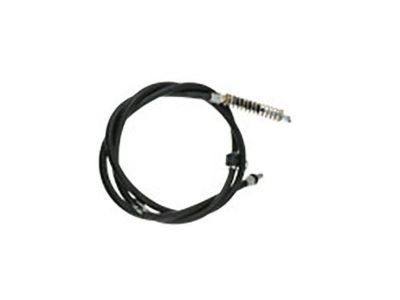
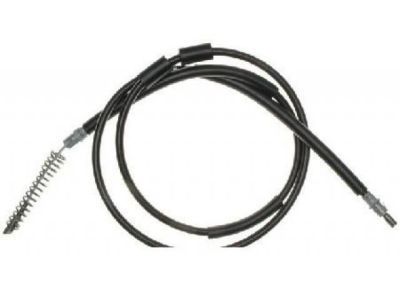
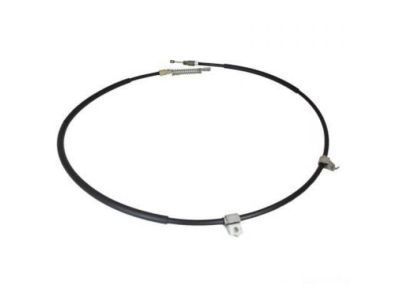
Mercury Rear Cable, Passenger Side Part Number: 1L2Z-2A635-BA
Product Specifications- Other Name: Cable Assembly - Parking Brake; Brake Cable
- Manufacturer Note: Cable asy. - RH
- Position: Rear Passenger Side
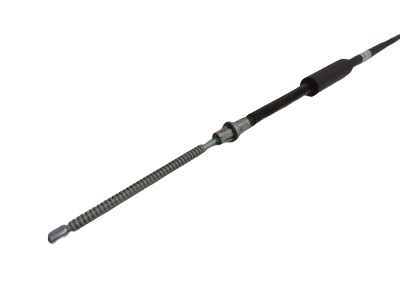
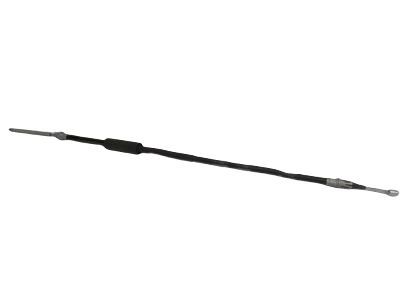
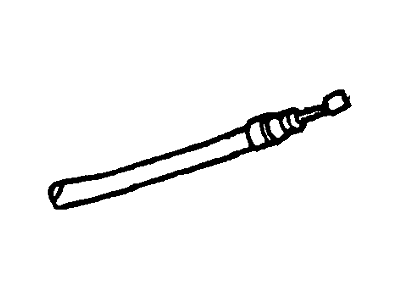
Mercury Rear Cable, Driver Side Part Number: YF1Z-2A635-AA
Product Specifications- Other Name: Cable Assembly - Parking Brake; Brake Cable
- Manufacturer Note: LH, rear drum
- Position: Rear Driver Side
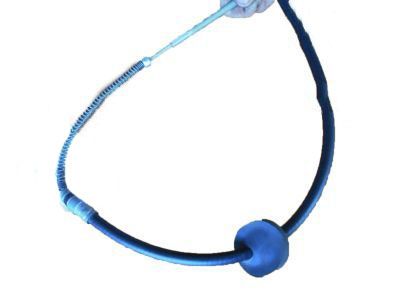
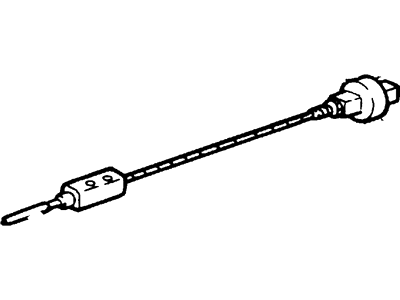
Mercury Front Cable Part Number: YF1Z-2853-AA
Product Specifications- Other Name: Cable Assembly - Parking Brake; Brake Cable
- Position: Front
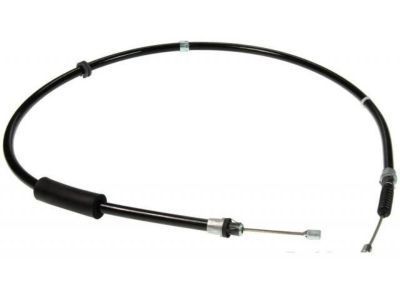
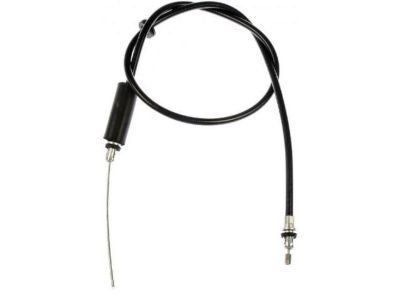
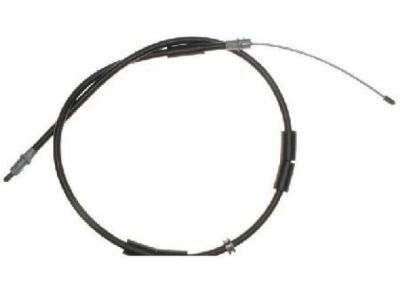
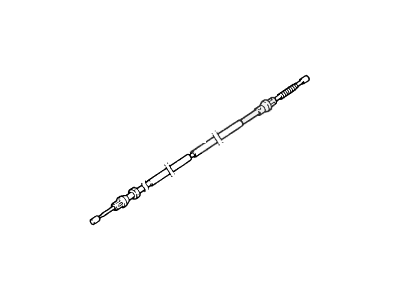
Mercury Rear Cable Part Number: F8RZ-2A635-FA
Product Specifications- Other Name: Cable Assembly - Parking Brake; Brake Cable
- Manufacturer Note: RH & LH , rear disc
- Position: Rear
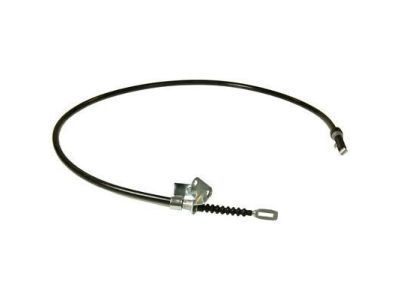
Mercury Rear Cable, Passenger Side Part Number: F7CZ-2A635-BC
Product Specifications- Other Name: Cable Assembly - Parking Brake; Parking Brake Cable; Brake Cable
- Manufacturer Note: RH, rear drum
- Position: Rear Passenger Side
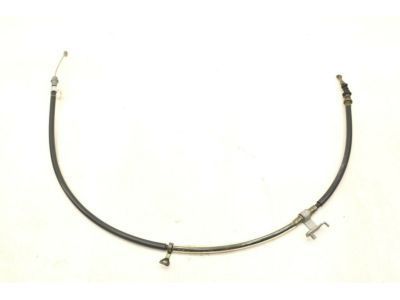
Mercury Rear Cable, Driver Side Part Number: F7CZ-2A635-AD
Product Specifications- Other Name: Cable Assembly - Parking Brake; Parking Brake Cable; Brake Cable
- Manufacturer Note: LH , rear disc
- Position: Rear Driver Side
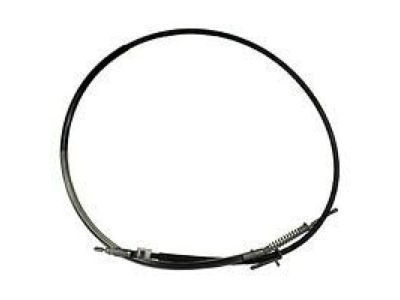
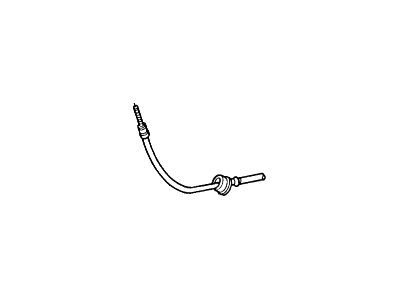
Mercury Front Cable Part Number: F6CZ-2853-AB
Product Specifications- Other Name: Cable Assembly - Parking Brake; Brake Cable
- Position: Front
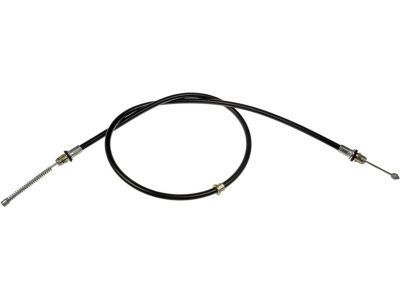
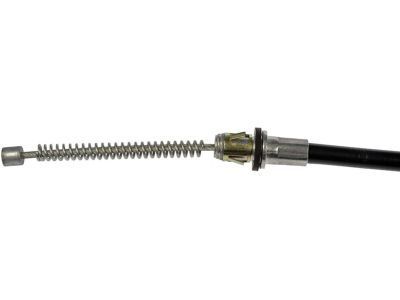
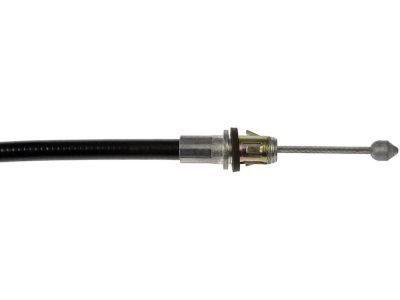
Mercury Rear Cable Part Number: F5RZ-2A635-B
Product Specifications- Other Name: Cable Assembly - Parking Brake; Brake Cable
- Manufacturer Note: Rear disc
- Position: Rear
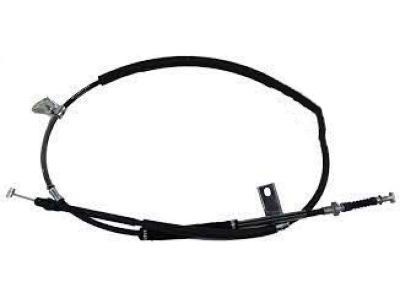
Mercury Rear Cable, Driver Side Part Number: 8M6Z-2A635-B
Product Specifications- Other Name: Cable Assembly - Parking Brake; Parking Brake Cable; Brake Cable
- Position: Rear Driver Side
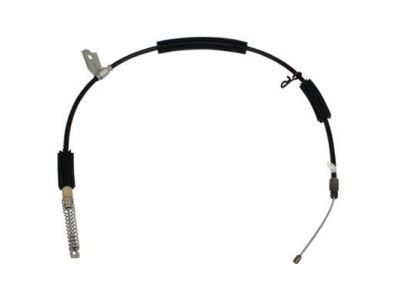
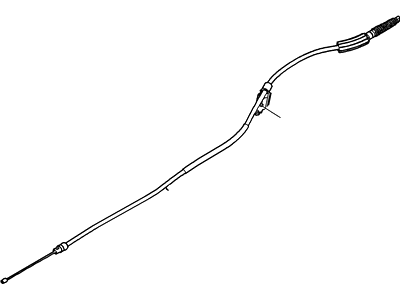
Mercury Rear Cable, Driver Side Part Number: 8L2Z-2A635-B
Product Specifications- Other Name: Cable Assembly - Parking Brake; Brake Cable
- Position: Rear Driver Side
- Replaces: 7L2Z-2A635-A, 7L2Z-2A635-C
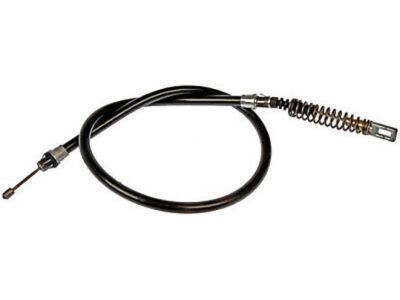
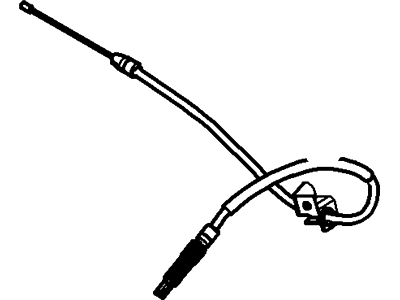
Mercury Rear Cable, Passenger Side Part Number: 6F9Z-2A635-E
Product Specifications- Other Name: Cable Assembly - Parking Brake; Brake Cable
- Position: Rear Passenger Side
- Replaces: 6F9Z-2A635-A
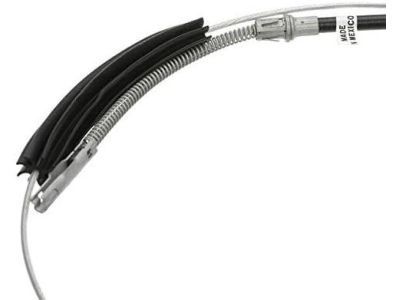
Mercury Rear Cable, Driver Side Part Number: 4W7Z-2A635-AA
Product Specifications- Other Name: Cable Assembly - Parking Brake; Brake Cable
- Manufacturer Note: LH, Less Natural Gas Vehicle-Less long wheelbase
- Position: Rear Driver Side
- Replaces: 3W7Z-2A635-CA
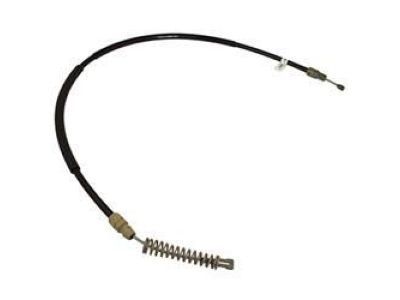
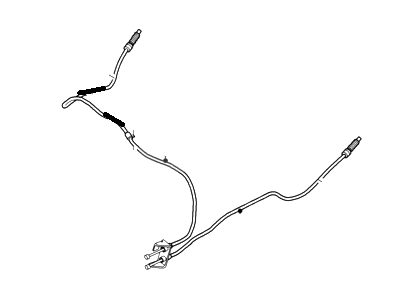
Mercury Rear Cable, Driver Side Part Number: 2C5Z-2A635-AB
Product Specifications- Other Name: Cable Assembly - Parking Brake; Brake Cable
- Position: Rear Driver Side
| Page 1 of 5 |Next >
1-20 of 86 Results
Mercury Parking Brake Cable
If you own Mercury and want to keep it in top shape, choosing OEM Parking Brake Cable is a smart move. They are precisely engineered and follow strict factory standards. They are made in advanced facilities that use cutting edge technology. Each part goes through thorough testing to confirm strength and safety, so you can trust it. FordPartsDeal.com gives you genuine Mercury Parking Brake Cable at some of the affordable online prices without cutting quality. Every OEM Mercury part includes the manufacturer's warranty, easy returns, and super-fast delivery. So why wait? Shop now and get your vehicle back to peak condition.
Mercury Parking Brake Cable is an item that ensures that your car is locked down every time you pull a lever. In 1939, Mercury came out with vehicles that combined aggressive design and comfortable ride by cushioning shocks. Mercury was unique in insulating cabins with massive materials, which silenced road noise and allowed drivers to speak without screaming. Mercury also tilted in roomy designs such that long journeys did not seem like a burden, rather a by-way. Mercury continued that emphasis of comfort through decades, introducing a new range of names such as Cougar and Grand Marquis and steadily improving suspension tuning. The legacy of balanced value over flash can still be felt throughout its lineup despite the fact that production was halted in 2011. Customers enjoyed having a plush feel without paying premium badges and therefore the brand gained loyal customers. Parking Brake Cable connects the lever in the cabin to the rear brakes and translates the pull into clamping force to overcome gravity. Parking Brake Cable is made of steel strand in a hard sheath and repeated hill start or winter corrosion may fray strands to the point of dragging or an outright breakage. Parking Brake Cable is cheap, easy to install and provides instant feedback in a firm pedal or lever press that you can depend on in steep driveway situations. Parking Brake Cable requires a regular check of slack or rust conditions since early detection of catching damage preserves the parking stability and larger brake repairs are prevented.
Mercury Parking Brake Cable Parts and Q&A
- Q:How to service and repair the front parking brake cable on Mercury Mariner?A:Placement of the vehicle within neutral position and on a hoist represents the first requirement to begin servicing or repairing the front parking brake cable. Start the process by taking out the parking brake control followed by disconnecting the front parking brake cable from the equalizer bracket while pressing its locking tabs. To service and repair the front parking brake cable start with free up release of the pass-through grommet from the vehicle underbody. Pull the front parking brake cable through its path in the equalizer bracket for removal. You will finish the installation by executing the opposite sequence used for removal.
- Q:How to service and repair the parking brake cable on Mercury Cougar?A:The first step to server and repair the parking brake cable requires releasing the parking brake and loosening all wheel nuts. After supportive elevation of the vehicle lift the wheel off while maintaining support for the exhaust pipe before disconnecting the rear muffler. Remove the rear exhaust heat shield section followed by extraction of the rear cables from the equalizer. The procedure to service and repair the parking brake cable begins with vehicles that have rear disc brakes by completing these steps: pull back the parking brake lever, disconnect the cable from the lever, take off the conduit retaining clip and then remove the cable and conduit. During rear drum brake vehicle maintenance the person needs to remove brake shoes then disconnect the parking brake conduit from the backing plate following releasing the retaining clip which enables cable and conduit removal. The process ends with taking out the rear cable and conduit from their body clips. You should install this part by performing the opposite reverse order from the removal procedure while adjusting the parking brake with control lever at full elevation.
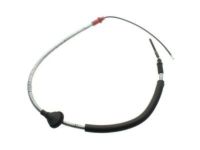
Related Mercury Parts
 Mercury Vacuum Pump
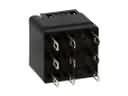 Mercury ABS Relay
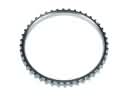 Mercury ABS Reluctor Ring
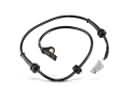 Mercury ABS Sensor
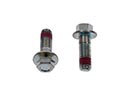 Mercury Brake Caliper Bolt
 Mercury Brake Caliper Bracket
 Mercury Brake Caliper Repair Kit
 Mercury Brake Fluid Level Sensor
 Mercury Brake Fluid Pump
 Mercury Brake Master Cylinder
 Mercury Transfer Case Bearing
 Mercury Wheel Bearing Dust Cap