FordParts
My Garage
My Account
Cart
OEM Mercury ABS Sensor
ABS Wheel Speed Sensor- Select Vehicle by Model
- Select Vehicle by VIN
Select Vehicle by Model
orMake
Model
Year
Select Vehicle by VIN
For the most accurate results, select vehicle by your VIN (Vehicle Identification Number).
79 ABS Sensors found
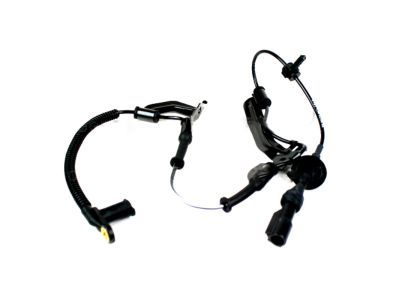
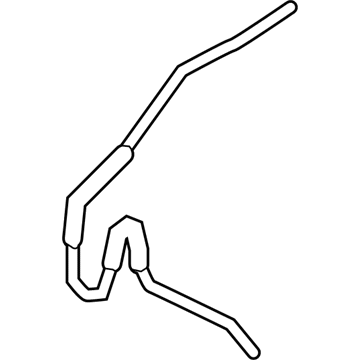
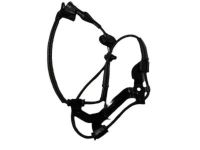
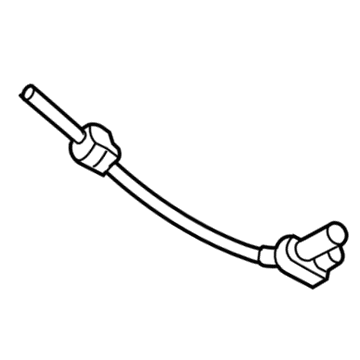
Mercury ABS Sensor, Front Passenger Side Part Number: 9L8Z-2C204-A
$49.06 MSRP: $80.73You Save: $31.67 (40%)Ships in 1-2 Business DaysProduct Specifications- Other Name: Sensor Assembly; ABS Wheel Speed Sensor, Front Right; Front Speed Sensor
- Position: Passenger Side
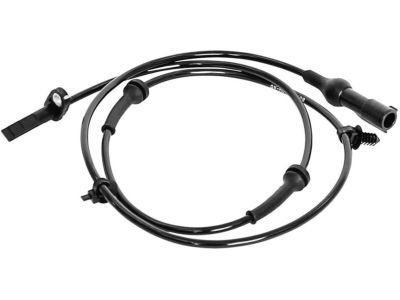

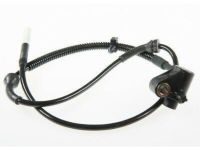
Mercury ABS Sensor, Front Driver Side Part Number: 8G1Z-2C204-A
$51.02 MSRP: $85.49You Save: $34.47 (41%)Ships in 1-2 Business DaysProduct Specifications- Other Name: Sensor Assembly; ABS Wheel Speed Sensor, Front, Front Left, Front Right; ABS Speed Sensor; Front Speed Sensor; ABS Wheel Speed Sensor
- Manufacturer Note: RH/LH
- Position: Front Driver Side
- Replaces: 5F9Z-2C204-AA, 7F9Z-2C204-A
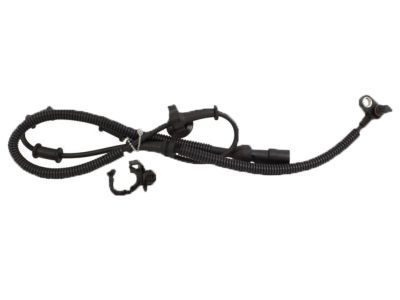
Mercury ABS Sensor, Front Driver Side Part Number: 4L2Z-2C204-C
$72.02 MSRP: $120.91You Save: $48.89 (41%)Ships in 1-2 Business DaysProduct Specifications- Other Name: Sensor Assembly; ABS Wheel Speed Sensor, Front Left, Front Right; ABS Wheel Speed Sensor; ABS Speed Sensor; Speed Sensor; Front Speed Sensor
- Position: Front Driver Side
- Replaces: 1L2Z-2C204-AC, 3C5Z-2C204-AA, 3L2Z-2C204-AA, 4L2Z-2C204-B, 4L2Z-2C204-A, BRAB-12, BRAB-405, BRAB-469
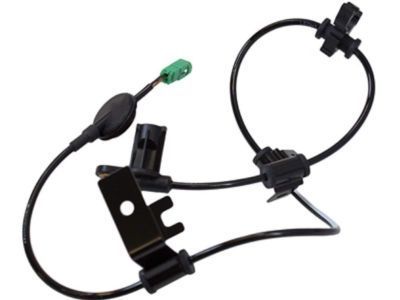
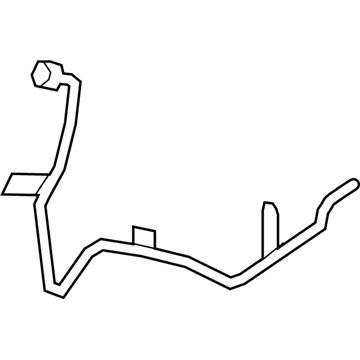
Mercury ABS Sensor, Rear Driver Side Part Number: 9L8Z-2C191-A
$54.03 MSRP: $90.55You Save: $36.52 (41%)Ships in 1-2 Business DaysProduct Specifications- Other Name: Sensor Assembly; ABS Wheel Speed Sensor, Rear Left; Rear Speed Sensor
- Manufacturer Note: Rear
- Position: Driver Side
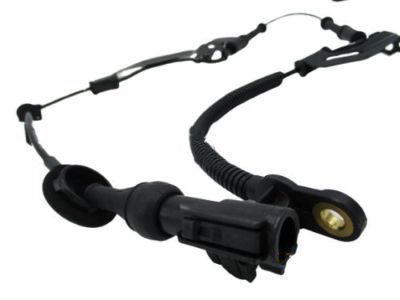
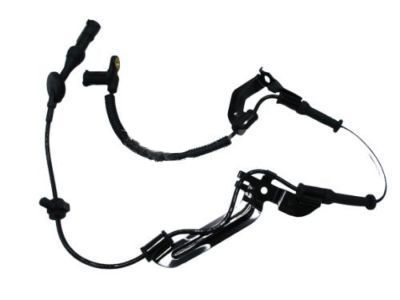
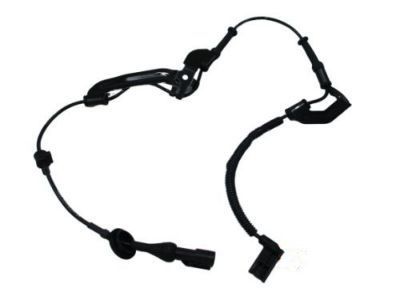
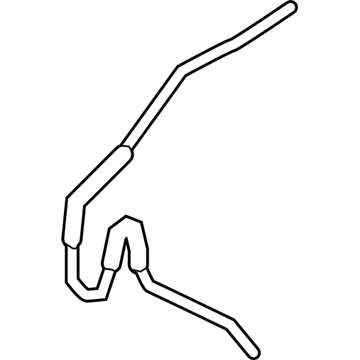
Mercury ABS Sensor, Front Passenger Side Part Number: YL8Z-2C204-AB
$62.21 MSRP: $102.36You Save: $40.15 (40%)Product Specifications- Other Name: Sensor Assembly; ABS Wheel Speed Sensor, Front Right; Sensor, Wheel Speed; ABS Speed Sensor; Front Speed Sensor; ABS Wheel Speed Sensor
- Position: Passenger Side
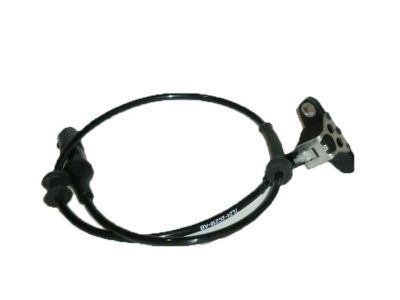
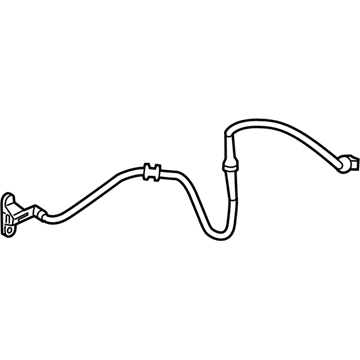
Mercury ABS Sensor, Rear Driver Side Part Number: 8L2Z-2C190-A
$81.99 MSRP: $134.91You Save: $52.92 (40%)Ships in 1-2 Business DaysProduct Specifications- Other Name: Sensor Assembly; ABS Wheel Speed Sensor, Rear Left
- Position: Driver Side
- Replaces: 6L2Z-2C216-AA, 7L2Z-2C216-A
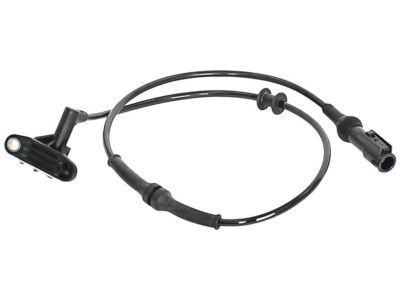
Mercury ABS Sensor, Rear Passenger Side Part Number: 8L2Z-2C190-B
$85.64 MSRP: $140.91You Save: $55.27 (40%)Ships in 1-2 Business DaysProduct Specifications- Other Name: Sensor Assembly; ABS Wheel Speed Sensor, Rear Right; ABS Speed Sensor
- Position: Passenger Side
- Replaces: 6L2Z-2C190-AA, 7L2Z-2C190-A
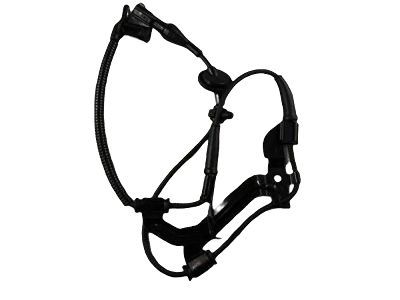
Mercury ABS Sensor, Front Driver Side Part Number: YL8Z-2C205-AB
$36.98 MSRP: $58.73You Save: $21.75 (38%)Product Specifications- Other Name: Sensor Assembly; ABS Wheel Speed Sensor, Front Left; Sensor, Wheel Speed; ABS Speed Sensor; Front Speed Sensor; ABS Wheel Speed Sensor
- Position: Driver Side
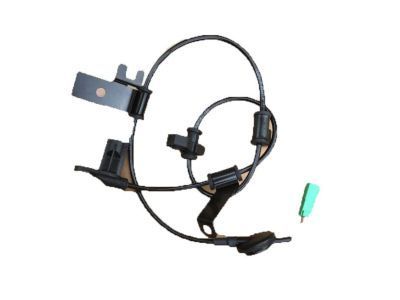
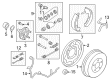
Mercury ABS Sensor, Rear Driver Side Part Number: 8L8Z-2C191-A
$38.59 MSRP: $61.27You Save: $22.68 (38%)Ships in 1-2 Business DaysProduct Specifications- Other Name: Sensor Assembly; ABS Wheel Speed Sensor, Rear Left; ABS Speed Sensor; Rear Speed Sensor; ABS Wheel Speed Sensor
- Manufacturer Note: Rear
- Position: Driver Side
- Replaces: 5L8Z-2C216-AA
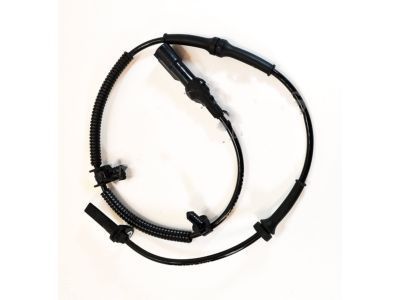
Mercury ABS Sensor, Rear Passenger Side Part Number: 8L8Z-2C190-A
$44.88 MSRP: $71.27You Save: $26.39 (38%)Ships in 1-2 Business DaysProduct Specifications- Other Name: Sensor Assembly; ABS Wheel Speed Sensor, Rear Right; Rear Speed Sensor; ABS Wheel Speed Sensor
- Manufacturer Note: Rear
- Position: Passenger Side
- Replaces: 5L8Z-2C190-AA
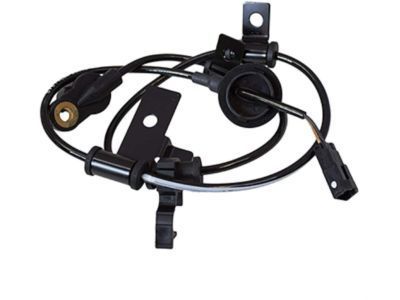
Mercury ABS Sensor, Rear Passenger Side Part Number: 9L8Z-2C190-A
$45.00 MSRP: $71.45You Save: $26.45 (38%)Ships in 1-2 Business DaysProduct Specifications- Other Name: Sensor Assembly; ABS Wheel Speed Sensor, Rear Right; Rear Speed Sensor
- Manufacturer Note: Rear
- Position: Passenger Side
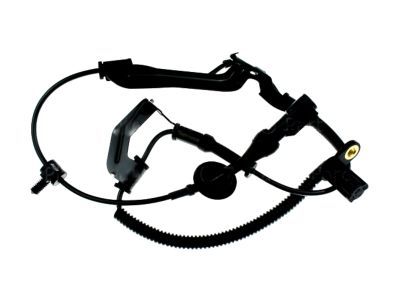
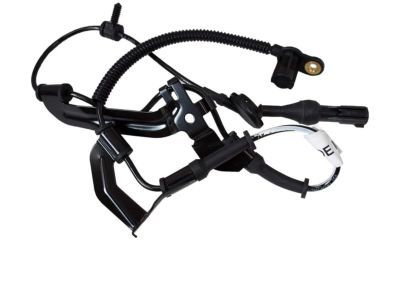
Mercury ABS Sensor, Front Driver Side Part Number: 9L8Z-2C205-A
$49.46 MSRP: $78.55You Save: $29.09 (38%)Ships in 1-2 Business DaysProduct Specifications- Other Name: Sensor Assembly; ABS Wheel Speed Sensor, Front Left; ABS Speed Sensor; Front Speed Sensor; ABS Wheel Speed Sensor
- Position: Driver Side
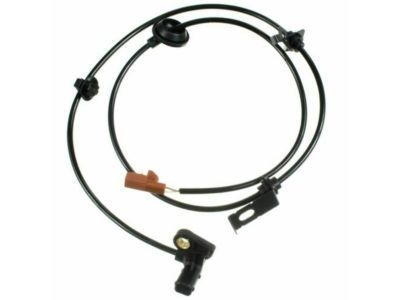
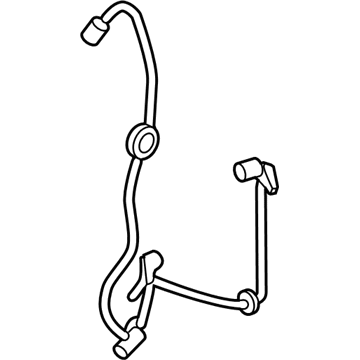
Mercury ABS Sensor, Rear Driver Side Part Number: AE5Z-2C182-C
$32.98 MSRP: $48.00You Save: $15.02 (32%)Ships in 1-3 Business DaysProduct Specifications- Other Name: Sensor Assembly - Speed; ABS Wheel Speed Sensor, Rear Left; Rear Speed Sensor
- Manufacturer Note: Rear
- Position: Driver Side
- Replaces: 6E5Z-2C187-AA
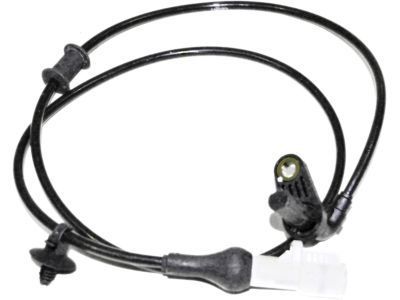
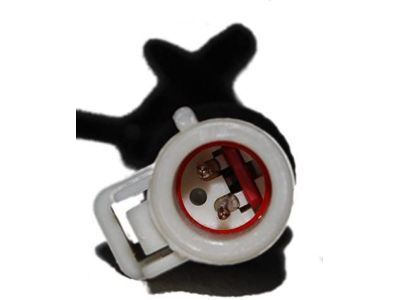
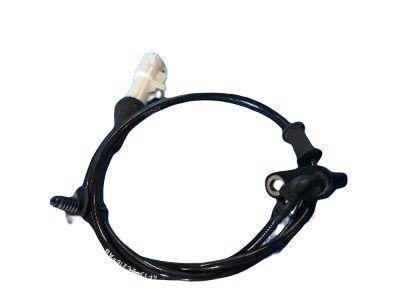

Mercury Speed Sensor, Rear Driver Side Part Number: 4F1Z-2C190-CA
$26.86 MSRP: $37.16You Save: $10.30 (28%)Ships in 1-2 Business DaysProduct Specifications- Other Name: Sensor Assembly; ABS Wheel Speed Sensor, Rear Left; ABS Sensor; Rear Speed Sensor
- Position: Driver Side
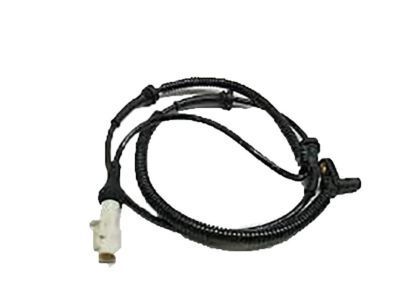
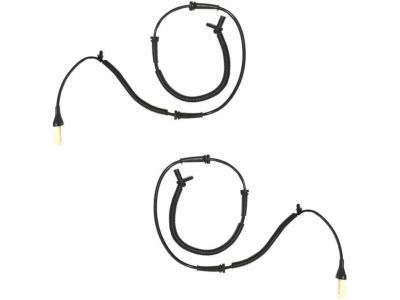
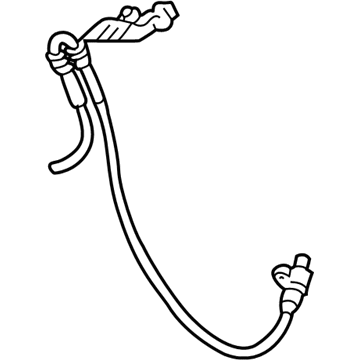
Mercury ABS Sensor, Front Driver Side Part Number: 4F1Z-2C204-AA
$45.87 MSRP: $63.46You Save: $17.59 (28%)Ships in 1-2 Business DaysProduct Specifications- Other Name: Sensor Assembly; ABS Wheel Speed Sensor, Front Left, Front Right; Front Speed Sensor; ABS Wheel Speed Sensor
- Position: Front Driver Side
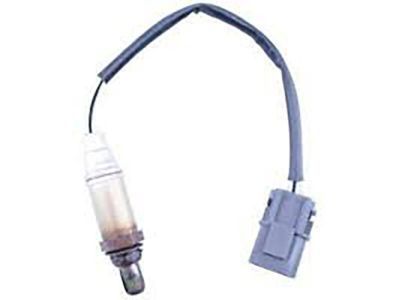
Mercury ABS Sensor, Driver Side Part Number: XF5Z-2C204-AD
$71.97 MSRP: $99.57You Save: $27.60 (28%)Ships in 1-2 Business DaysProduct Specifications- Other Name: Sensor Assembly; Front Speed Sensor
- Position: Driver Side
- Replaces: XF5Z-2C204-AB
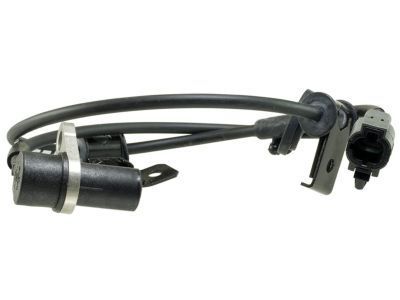
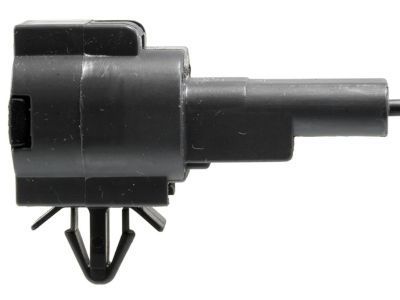
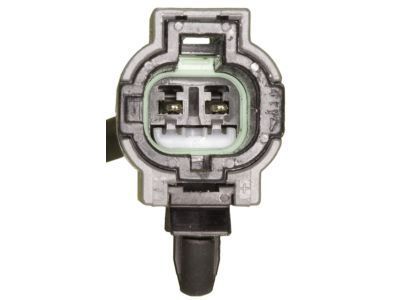
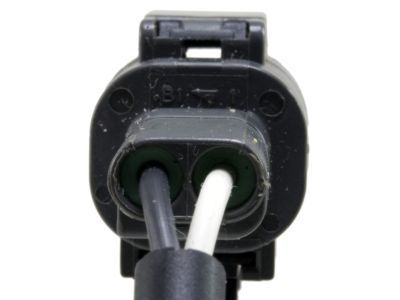
Mercury ABS Sensor, Passenger Side Part Number: XF5Z-2C204-AC
$78.53 MSRP: $108.64You Save: $30.11 (28%)Ships in 1-2 Business DaysProduct Specifications- Other Name: Sensor Assembly; Front Speed Sensor
- Position: Passenger Side
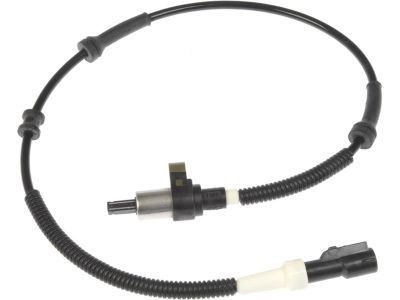
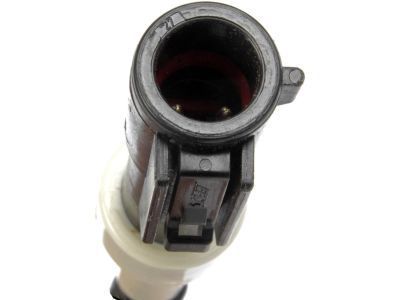
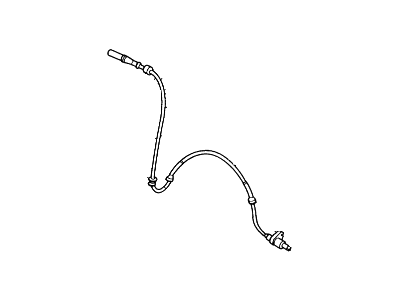
Mercury ABS Sensor Part Number: F5AZ-2C204-AA
$105.24 MSRP: $145.60You Save: $40.36 (28%)Ships in 1-2 Business DaysProduct Specifications- Other Name: Sensor Assembly; ABS Wheel Speed Sensor; Speed Sensor; Front Speed Sensor
- Manufacturer Note: RH AND LH
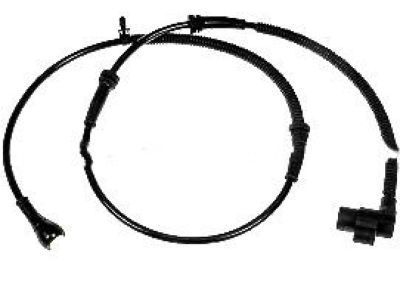
Mercury ABS Sensor, Front Passenger Side Part Number: 1F1Z-2C204-AB
$128.73 MSRP: $178.09You Save: $49.36 (28%)Ships in 1-2 Business DaysProduct Specifications- Other Name: Sensor Assembly; ABS Wheel Speed Sensor, Front Right; Front Speed Sensor; ABS Wheel Speed Sensor
- Position: Passenger Side
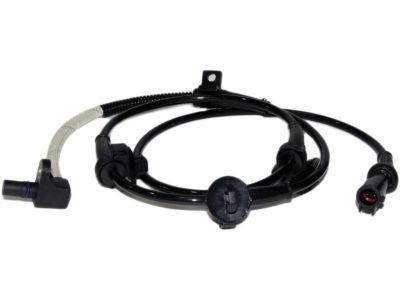
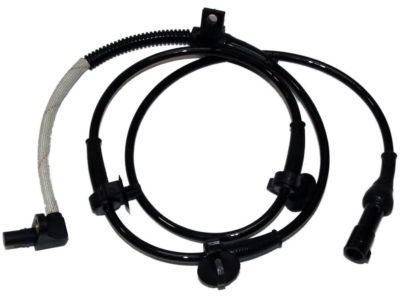
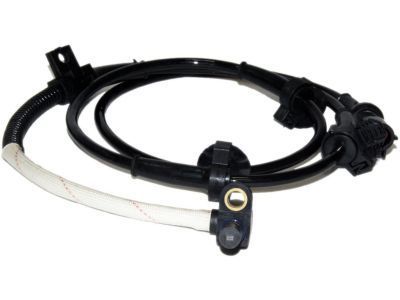
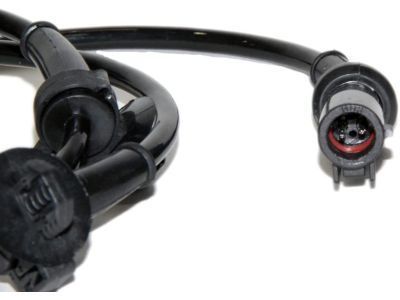
Mercury ABS Sensor, Front Part Number: XL2Z-2C204-AB
Product Specifications- Other Name: Sensor Assembly; ABS Wheel Speed Sensor, Front, Front Left, Front Right; Front Speed Sensor; ABS Wheel Speed Sensor
- Position: Front
- Replaces: YL5Z-2C204-AB
| Page 1 of 4 |Next >
1-20 of 79 Results
Mercury ABS Sensor
If you own Mercury and want to keep it in top shape, choosing OEM ABS Sensor is a smart move. They are precisely engineered and follow strict factory standards. They are made in advanced facilities that use cutting edge technology. Each part goes through thorough testing to confirm strength and safety, so you can trust it. FordPartsDeal.com gives you genuine Mercury ABS Sensor at some of the affordable online prices without cutting quality. Every OEM Mercury part includes the manufacturer's warranty, easy returns, and super-fast delivery. So why wait? Shop now and get your vehicle back to peak condition.
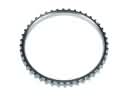
Mercury ABS Sensor measures the speed of wheels in real time to ensure the brakes are responsive and wheels are rolling. Mercury was introduced in the end of the thirties, with a sweet spot between luxury and affordability. The cabins of the Mercury were quieted by the use of heavier glass, tuned suspension, and seats that absorbed vibration. Mercury drivers had sharp styling, but at no point did they feel punished when the road was rough due to the balance of the design in ride and handling. Even when competitors were lowering corners in economic downturns, Mercury continued to update the dashboards, lighting, and noise dampers. Two-tone paint, hood scoops, and plenty of chrome were on display, along with spacious trunks that were roomy and could easily absorb the family luggage. The long drive would be made less tiring with the help of quiet cabins, but even the mid-size shapes could fit in tight parking places. ABS Sensor is installed at every wheel hub and measures magnetic pulses on a tone ring, transmitting the voltage to the control unit and allowing the computer to pulse hydraulic pressure to ensure the tires have traction in panic stops along wet or gravel roads. ABS Sensor is based on established Hall-effect technology, shaken off heat, mud, and vibration in years of trouble-free operation. ABS Sensor transmits sharp information to traction and stability logic, allowing electronics to respond earlier. ABS Sensor cannot be as precise as at walking speed, but still transmits enough signals to ensure braking is smooth after speed has increased.
Mercury ABS Sensor Parts and Q&A
- Q:How to service the front ABS sensor on Mercury Mariner?A:Start the front abs sensor servicing by hoisting the vehicle onto position while keeping it in neutral. Access and disconnect the engine compartment electrical connector with caution to the plug because damage will require replacing the sensor even if it remains operational. Unplug the grommet from the body and turn the body plug to face it towards a small screwdriver. Doing so will enable the screwdriver to release the two sensor wire tabs positioned right angles to the wire. Before installing the front abs sensor wire you must first remove it from the retainer then detach the wire-to-body bolt before securing it to 9 Nm (80 inch lbs.). Secure the front abs sensor wire bolt at 15 Nm (11 ft. lbs.) when you reinstall it. Follow by taking out the front abs sensor bolt attached to the wheel knuckle yet tighten it to 9 Nm (80 inch lbs.) when reinstalling. The sensor removal process requires first cleaning off accumulated foreign material before both surface clean-up and following the reverse removal process for reinstallation.
- Q:How to service the rear ABS sensor on Mercury Cougar?A:Releasing the wheel nuts is the first step to service the rear ABS sensor followed by lifting the vehicle while supporting it before wheel removal occurs. First disconnect the wire sensor while removing it from its position. The service begins with lowering the vehicle before lifting the rear seat cushion using backward pushing toward the backrest followed by upward pulling. The user should first remove the screw followed by a trim side push while disconnecting the ABS sensor electrical connector by extracting the cable through its grommet opening. Reset the installation process in reverse order of the removal steps.