FordParts
My Garage
My Account
Cart
OEM Mercury Yaw Sensor
Yaw Rate Sensor- Select Vehicle by Model
- Select Vehicle by VIN
Select Vehicle by Model
orMake
Model
Year
Select Vehicle by VIN
For the most accurate results, select vehicle by your VIN (Vehicle Identification Number).
6 Yaw Sensors found
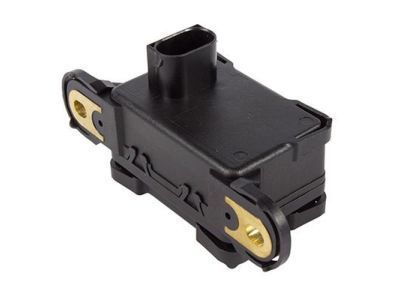
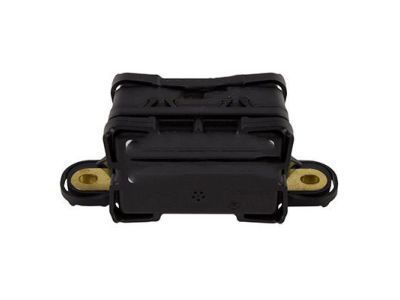
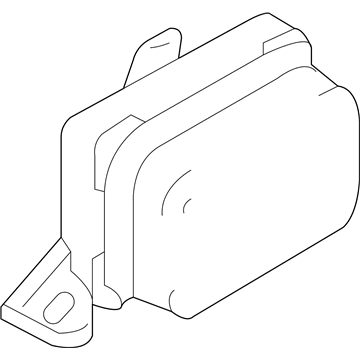
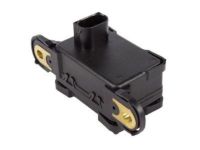
Mercury Yaw Rate Sensor Part Number: 8L8Z-3C187-A
Product Specifications- Other Name: Sensor Assembly; Yaw Sensor; Sensor
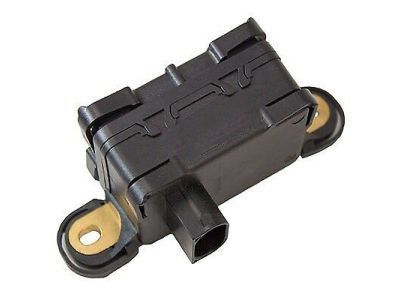
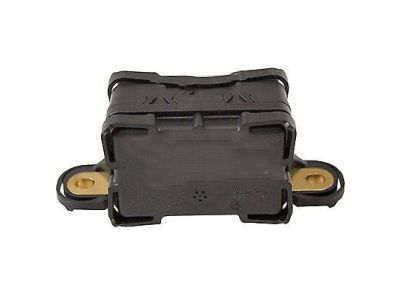
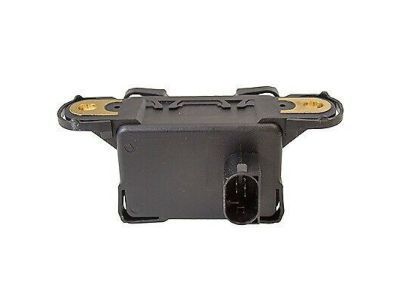
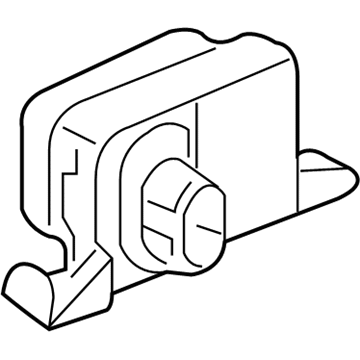
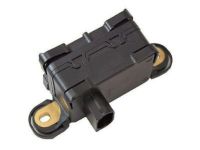
Mercury Yaw Rate Sensor Part Number: 7L1Z-3C187-A
Product Specifications- Other Name: Sensor Assembly; Suspension Yaw Sensor; Steering Wheel Speed Sensor; Yaw Sensor; Sensor
- Manufacturer Note: Lateral/Yaw Sensor
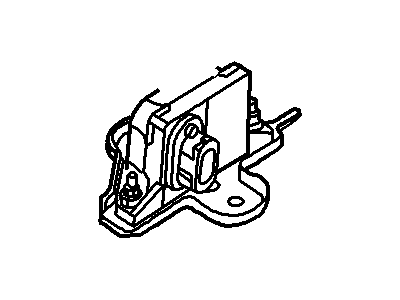

Mercury Yaw Rate Sensor Part Number: 3L2Z-3C296-AA
Product Specifications- Other Name: Sensor Assembly
- Manufacturer Note: Sensor - Yaw
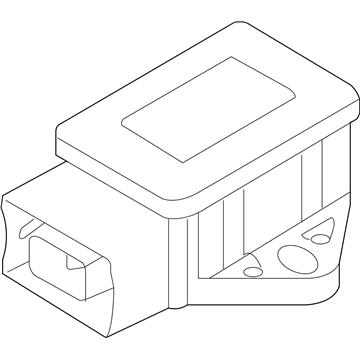
Mercury Yaw Rate Sensor Part Number: 8G1Z-3C187-A
Product Specifications- Other Name: Sensor Assembly; Suspension Yaw Sensor; Yaw Sensor
- Manufacturer Note: Sensor - Yaw
Mercury Yaw Rate Sensor Part Number: 6L2Z-3C187-AA
Product Specifications- Other Name: Sensor Assembly; Suspension Yaw Sensor; Steering Wheel Speed Sensor; Yaw Sensor; Sensor
- Manufacturer Note: Lateral/Yaw Sensor
- Replaces: 3C5Z-3C187-AB
Mercury Yaw Rate Sensor Part Number: 3L2Z-3C296-BA
Product Specifications- Other Name: Sensor Assembly
- Manufacturer Note: Sensor - Yaw
Mercury Yaw Sensor
If you own Mercury and want to keep it in top shape, choosing OEM Yaw Sensor is a smart move. They are precisely engineered and follow strict factory standards. They are made in advanced facilities that use cutting edge technology. Each part goes through thorough testing to confirm strength and safety, so you can trust it. FordPartsDeal.com gives you genuine Mercury Yaw Sensor at some of the affordable online prices without cutting quality. Every OEM Mercury part includes the manufacturer's warranty, easy returns, and super-fast delivery. So why wait? Shop now and get your vehicle back to peak condition.
Mercury Yaw Sensor ensures that cars remain stationary by monitoring the rotation and transmitting stability control real-time data. Since its introduction in 1938, Mercury has become a brand name known to offer midsize comfort, quiet interiors, and styling that never ages, while protecting the budgets it guards against the bruises that luxury brands do. The showrooms in the past applied to have cougars along with Grand Marquis sedans, and it was clear that the brand was capable of making the swerving into cozy without losing the smooth ride that people in the market desired. Mercury maintained that balance through tuned suspensions, filling cabins with heavier insulation, and introducing updates that made long drives less exhausting every ten years. In 2011, Mercury ceased to be manufactured, but its legacy of utilitarian style and affordability keeps parts books alive and drivers loyal. Below, Yaw Sensor takes several dozen sampled angular velocities in hundreds of cases compared with steering input, and the warnings are sent to the computer of stability before skids begin to blossom on rain-slick asphalt. Yaw Sensor saves the fuel consumed by the rotation of the vehicle against three axes in order to cut engine power of the vehicle only when necessary; this saves fuel instead of squandering momentum. When traction varies rapidly on gravel or ice, the Yaw Sensor allows electronic help to recover the grip of the claw in a flash instead of once the trouble has set in. The drivers experience the outcome in the form of straight tracking in turns and smooth steering adjustments since Yaw Sensor does the calculations, which would cause driver reflexes to spin out.
Mercury Yaw Sensor Parts and Q&A
- Q:How to Safely and Effectively Service the Yaw Sensor on Mercury Mariner?A:The first step to service the yaw rate sensor includes wearing high-voltage protected safety gloves with leather palm protection to check for any damage. Any hole in the rubber glove material will create high-voltage threats which can cause severe harm or death. Start the service by disconnecting the ground cable from the battery before extracting the floor console. The stability control sensor cluster installation should begin with facing the electrical connector towards the passenger seat before cable separation. First disconnect the sensor cluster by taking out its two securing bolts before reinstallation while tightening them to 10 Nm (89 lb-inch). Finish the installation process by removing the stability control sensor cluster followed by backward execution of previous removal steps.
- Q:How to Service the Yaw Sensor on Mercury Mountaineer?A:Service of the yaw rate sensor begins with disconnecting the battery ground cable. First remove the pin-type retainer then the driver-side floor console finish panel followed by 2 bolt removal and 2 nut removal of the LH instrument panel brace and finally tighten all nuts to 9 Nm (80 inch lbs.) during reinstalls. First remove the 2 heater duct screws from the left-hand side and disconnect the stability control sensor cluster electrical connection. Move the treatment retainers of the stability control sensor cluster away then place them on the side. The process requires removal of stability control sensor cluster bracket nuts and the cluster itself before stable control sensor cluster installation where nuts need tightening to 7 Nm (62 inch lbs.). Within the connection configuration and calibrating procedure for installation of the new stability control sensor cluster reverse the previously removed steps and follow diagnostic tool instructions while using built-in data from the vehicle.
Related Mercury Parts
 Mercury Neutral Safety Switch
 Mercury Antenna
 Mercury Key Fob
 Mercury Brake Light Switch
 Mercury Door Jamb Switch
 Mercury Flasher Relay
 Mercury Headlight Relay
 Mercury Ignition Lock Cylinder
 Mercury Ignition Relay
 Mercury Instrument Cluster
 Mercury Power Window Switch
 Mercury Windshield Wiper Switch